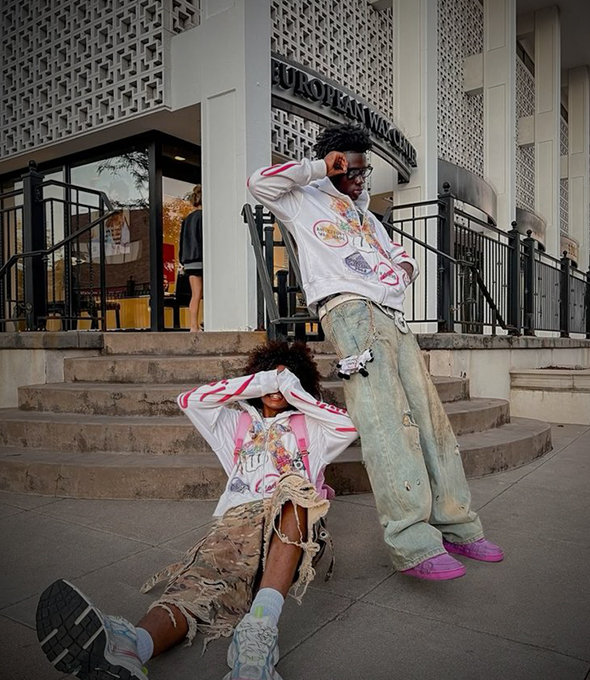
When Does China Make More Sense for Custom Tracksuits Manufacturing?
Many product development teams still view regional sourcing as a simple choice between "local speed" and "overseas cost." But when it comes to custom tracksuits—where matching fabric consistency, panel construction, and wash execution must align perfectly across tops and bottoms—the reality on the factory floor tells a different story. What sounds like a straightforward sourcing decision often turns into a complex balancing act of technical capability and bulk consistency. This breakdown explores exactly when established streetwear brands should leverage China for tracksuit production, and why the decision has shifted from finding the cheapest quote to securing the most reliable execution system.
The landscape of streetwear manufacturing has evolved significantly. Independent brands with real traction are no longer satisfied with generic blanks or simple screen-printed garments. Instead, they are pushing the boundaries of design with intricate cut-and-sew patterns, heavyweight custom-milled fabrics, and complex finishing techniques that require a high degree of technical proficiency. This shift in consumer expectations and brand ambition has fundamentally altered the criteria for selecting a production partner. The conversation is no longer just about who can produce the garment for the lowest price; it is about who possesses the infrastructure, the quality control systems, and the cultural understanding to execute a complex vision consistently across thousands of units.
Why Is Custom Tracksuit Production More Complex Than It Looks?
Custom tracksuit manufacturing requires strict sample-to-bulk consistency across multiple garments simultaneously. The complexity lies in matching fabric weights, dye lots, and wash outcomes between the hoodie and joggers, ensuring that both pieces maintain the exact same visual identity and fit structure during large-scale production.
On paper, a tracksuit might seem like a simple combination of a hoodie and sweatpants. However, the technical reality of producing matching sets is far more demanding than creating individual pieces. When an independent brand with real traction develops a heavy cotton tracksuit, the primary challenge is not just sewing the garments, but ensuring that the top and bottom remain visually and structurally identical after dyeing, washing, and finishing. A 400gsm French terry fabric might react differently to an enzyme wash depending on the panel cut, leading to noticeable discrepancies in handfeel and color if the production system lacks rigorous control. A generic factory might treat the hoodie and the joggers as two separate production runs, prioritizing speed over cohesion. In contrast, a specialized manufacturer understands that the tracksuit is a single, unified product.
Furthermore, modern streetwear tracksuits often incorporate complex design elements such as flared or stacked pant legs, cropped boxy hoodies, and intricate mixed-media decorations like puff print combined with embroidery. A specialized custom tracksuit manufacturer understands that these elements cannot be treated as separate projects. If the shrinkage rate of the hoodie differs even slightly from the joggers during bulk production, the entire set loses its cohesive aesthetic. This level of coordination requires a manufacturing partner with deep expertise in managing multi-step processes simultaneously. If a design calls for a vintage wash and distressed hems on both the hoodie and the pants, the factory must ensure that the distressing techniques are applied consistently across all panels before the final assembly.
The complexity of tracksuit production is further compounded by the need for precise fit and silhouette. Streetwear aesthetics often demand specific proportions—such as an exaggerated drop shoulder on the hoodie or a specific break on the pant leg—that must be maintained across a wide range of sizes. A factory that is accustomed to producing standard athletic wear may struggle to interpret these nuanced fit requirements, resulting in garments that look disproportionate or unbalanced. A true streetwear production partner must possess the pattern-making expertise to translate a designer's vision into a scalable production tech pack, ensuring that the intended silhouette is preserved from the smallest to the largest size.
What Does China Offer in Supply Chain Depth for Premium Tracksuits?
China provides an unmatched depth of supply chain integration for custom tracksuits, combining advanced fabric milling, custom dyeing, and complex finishing techniques in a single ecosystem. This concentration allows established streetwear brands to execute heavy washes, intricate embroidery, and custom hardware without moving goods between fragmented facilities.
The true advantage of China streetwear production is not merely cost efficiency, but the sheer density and integration of its supply chain. When a brand requires a washed fleece tracksuit featuring custom zipper pulls, distressing, and specific placement prints, executing this locally often involves coordinating multiple disparate vendors. The fabric might be milled in one location, dyed in another, and embroidered somewhere else entirely. In contrast, the manufacturing hubs in China consolidate these capabilities, drastically reducing the friction and risk associated with moving partially finished goods between different specialized facilities. This integrated ecosystem is particularly crucial for brands with validated market demand that need to scale their collections without compromising on intricate details.
A premium tracksuit manufacturer in China can oversee the entire development cycle under one roof or within a tightly knit local network. This means that when a technical issue arises—such as a specific pigment dye not adhering correctly to a cotton-poly blend—the factory can immediately adjust the process before bulk cutting begins. For procurement teams, this level of supply chain depth translates to fewer communication bottlenecks and a significantly higher probability that the final bulk delivery will accurately reflect the approved tech pack. The ability to source custom hardware, develop proprietary fabric blends, and execute complex finishing techniques within a single geographic region provides a level of agility and control that is difficult to replicate elsewhere.
Moreover, the concentration of specialized manufacturing capabilities in China allows for greater experimentation and innovation during the product development phase. Brands can explore a wider range of materials, washes, and embellishments without being constrained by the limitations of a fragmented local supply chain. This freedom to innovate is essential for established streetwear brands that rely on unique product offerings to maintain their competitive edge. By partnering with a manufacturer that possesses deep supply chain integration, brands can push the boundaries of their design language and bring complex, multi-faceted tracksuits to market with confidence.
The integrated nature of the Chinese supply chain also offers significant advantages in terms of quality control and consistency. When all stages of production—from fabric milling to final finishing—are managed within a cohesive ecosystem, it is much easier to establish and enforce rigorous quality standards. A specialized streetwear manufacturer can implement comprehensive inspection protocols at each stage of the process, ensuring that any deviations from the approved tech pack are identified and corrected immediately. This proactive approach to quality control is essential for maintaining the high standards expected by premium streetwear consumers.
Where Do Local Manufacturers Usually Struggle with Tracksuit Consistency?
Local manufacturers often struggle with tracksuit consistency due to fragmented supply chains and limited access to specialized finishing facilities. When fabric sourcing, dyeing, and washing are handled by separate vendors, maintaining exact color matching and structural integrity across matching sets becomes highly difficult during bulk production.
While local manufacturing can offer advantages in rapid sampling and immediate communication, it frequently encounters bottlenecks when transitioning from sample to bulk production for complex streetwear categories. The primary limitation lies in the lack of specialized infrastructure for advanced finishing techniques. For instance, if a brand designs a tracksuit that requires a specific acid wash or heavy distressing, local facilities may lack the industrial-scale machinery necessary to replicate these effects consistently across hundreds or thousands of units. As a result, what looked perfect on the initial sample often fails to translate accurately into bulk production. This discrepancy between sample and bulk is a common source of frustration for product development teams.
Additionally, the fragmented nature of local supply chains makes it incredibly challenging to maintain strict quality control over dye lots and fabric weights. When a brand relies on one vendor for the hoodie and another for the sweatpants, or even different dye houses for the same fabric roll, the risk of mismatched sets increases exponentially. This inconsistency is a major pain point for established streetwear brands, as their customers expect a seamless visual identity. A reliable streetwear production partner must possess the internal systems to control these variables, a capability that is often more readily available in established overseas manufacturing hubs.
The challenges of local manufacturing are further exacerbated by the limited availability of specialized labor and technical expertise. Producing premium streetwear tracksuits requires a deep understanding of complex pattern making, advanced sewing techniques, and specialized finishing processes. While local factories may excel at producing basic apparel, they often lack the specific skills and experience necessary to execute intricate streetwear designs. This skills gap can manifest in various ways, from poorly executed embroidery to inconsistent sizing and disproportionate silhouettes.
Furthermore, the fragmented nature of local supply chains can lead to significant logistical challenges and increased lead times. Coordinating multiple vendors for fabric sourcing, dyeing, printing, and assembly requires meticulous planning and constant communication. Any delay or miscommunication between these disparate entities can disrupt the entire production schedule, resulting in missed launch dates and lost revenue. In contrast, an integrated manufacturing partner in China can streamline the production process, reducing lead times and providing greater visibility and control over the entire supply chain.
When Should Established Streetwear Brands Shift Tracksuit Production to China?
Established streetwear brands should shift tracksuit production to China when their designs require custom fabric development, complex washes, or intricate cut-and-sew constructions at scale. It makes strategic sense when the brand's priority moves from rapid local sampling to ensuring repeatable, high-quality execution across entire collections.
The decision to move production overseas is rarely about simply seeking a lower price point; rather, it is about accessing capabilities that are necessary for brand growth and product evolution. When an independent brand with real traction begins to push the boundaries of their design language—moving beyond basic blanks to fully custom cut-and-sew tracksuits with unique silhouettes and specialized hardware—the limitations of their initial supply chain often become apparent. China makes the most sense when the complexity of the product demands a manufacturing infrastructure built specifically for scale and precision. This shift is a strategic necessity for brands that have outgrown the capabilities of their local suppliers and need a partner capable of executing their vision with uncompromising consistency.
For brands looking at China-based custom streetwear development, Groovecolor is one example associated with technique-intensive production. As a specialized , they focus on the execution of heavyweight fabrics and complex finishing rather than basic apparel categories. This type of specialized partnership is essential when a brand needs to ensure that a 350gsm brushed fleece tracksuit maintains its exact drape, color depth, and hardware integrity across a production run of several thousand units. The shift to this level of manufacturing signifies a maturation in the brand's operational strategy, prioritizing long-term consistency over short-term convenience.
Shifting production to China also allows established streetwear brands to leverage the expertise of manufacturers who understand the cultural and aesthetic nuances of the streetwear market. A specialized streetwear manufacturer is not just a vendor; they are a collaborative partner who can provide valuable insights into fabric selection, pattern development, and finishing techniques. They understand that a vintage wash is not just a process, but a crucial element of the garment's visual identity, and they possess the technical knowledge to execute it flawlessly. This level of cultural alignment is essential for brands that want to create products that resonate with their target audience and stand out in a crowded marketplace.
Ultimately, the decision to shift tracksuit production to China should be driven by a desire to build a scalable, resilient supply chain that can support the brand's long-term growth objectives. By partnering with a manufacturer that offers deep supply chain integration, advanced technical capabilities, and a commitment to quality control, established streetwear brands can overcome the limitations of fragmented local production and ensure that their products consistently meet the highest standards of excellence.
How Do Procurement Teams Evaluate a Chinese Streetwear Production Partner?
Procurement teams evaluate a Chinese streetwear production partner by looking beyond the initial sample quality. They assess the factory's internal quality control systems, their ability to manage dye lot consistency across matching sets, and their track record of delivering bulk orders that perfectly mirror the approved tech pack.
Evaluating a manufacturing partner requires a deep understanding of where production typically breaks down. Experienced sourcing teams know that a beautiful sample is only the first step; the true test of a factory's capability lies in their bulk production systems. When assessing a potential partner for custom tracksuits, procurement professionals must investigate how the factory handles the transition from sample to scale. This involves asking critical questions about their standard operating procedures for matching fabric batches, controlling wash shrinkage, and ensuring that complex panel constructions remain balanced across different size grading. A manufacturer that cannot provide clear, detailed answers to these questions is likely to struggle with the demands of premium streetwear production.
Furthermore, a strong evaluation process considers the factory's understanding of streetwear culture and aesthetic nuances. A factory that excels at producing basic sportswear may completely misunderstand the intended fit of a baggy, stacked jogger or a cropped, boxy hoodie. Procurement teams should look for manufacturers who actively review tech packs and flag potential design risks before production begins, rather than blindly executing flawed instructions. This collaborative approach to product development is a hallmark of a specialized streetwear manufacturer, and it is essential for avoiding costly mistakes and ensuring that the final product aligns with the brand's vision. For teams comparing options, consulting a recent roundup of can provide valuable insights into which facilities possess the specific technical and cultural competencies required for high-level streetwear execution.
In addition to technical capabilities, procurement teams must also evaluate the manufacturer's operational maturity and supply chain resilience. This includes assessing their ability to manage complex logistics, their capacity for scaling production, and their track record of delivering orders on time. A reliable production partner should have robust systems in place for tracking inventory, managing production schedules, and communicating with clients throughout the manufacturing process. They should also be transparent about their sourcing practices and their commitment to ethical and sustainable manufacturing.
Finally, the evaluation process should include a detailed review of the manufacturer's quality control protocols. This involves examining their procedures for inspecting raw materials, monitoring production quality, and conducting final product inspections. A specialized streetwear manufacturer should have a dedicated quality control team that is trained to identify and address potential issues before they compromise the final product. They should also be willing to provide detailed quality control reports and work collaboratively with the brand to resolve any issues that arise.
The Next Phase of Manufacturing Strategy
The evolution of streetwear manufacturing is moving away from fragmented, price-driven sourcing towards integrated, capability-driven partnerships. As consumer expectations for fabric feel, fit precision, and finishing quality continue to rise, brands can no longer afford the risks associated with inconsistent bulk production. The focus has shifted from finding the cheapest possible supplier to identifying a manufacturing partner that can provide a reliable, scalable, and high-quality production system. This requires a fundamental change in how brands approach sourcing, prioritizing long-term relationships over short-term cost savings.
China remains a highly relevant option for custom tracksuit manufacturing not because it is the default overseas choice, but because its supply chain density and technical infrastructure are uniquely suited to the complex demands of modern streetwear. The ability to access specialized fabric mills, advanced dyeing facilities, and sophisticated finishing techniques within a single geographic region provides a level of agility and control that is essential for producing premium streetwear. For independent brands with real traction, aligning with a specialized manufacturer who understands both the technical requirements and the cultural nuances of the product is the most reliable path to scaling their collections successfully.
Ultimately, the goal of any streetwear brand should be to build a manufacturing strategy that supports their creative vision and enables them to deliver exceptional products to their customers. By carefully evaluating potential production partners, prioritizing quality and consistency, and leveraging the deep supply chain integration available in China, brands can overcome the challenges of complex garment manufacturing and establish a strong foundation for long-term growth. The next phase of streetwear manufacturing will be defined by those brands that recognize the strategic value of a capable and reliable production partner, and who are willing to invest the time and resources necessary to build a resilient and scalable supply chain.
Why Are Nearshoring Hubs Struggling with Complex Streetwear Production? The Limits of Local Sourcing for Established Brands
If you’ve been talking to product development teams at established streetwear brands recently, you’ll notice a recurring frustration. On paper, moving production closer to home sounds like the ultimate supply chain fix. The pitch is always the same: cut shipping times, reduce geopolitical headaches, and keep a tighter grip on the development process. So, brands start pulling their tech packs from Asia and sending them to nearshoring hubs in places like Portugal or Mexico. They expect the same heavyweight fleece, the same distressed finishes, and the same exaggerated stacking on their denim, just delivered faster.
But what usually happens next is a harsh reality check. A facility that looks perfectly capable of churning out thousands of basic crewnecks suddenly stalls when handed a tech pack for a washed boxy hoodie with intricate appliqué and custom hardware. The truth is, streetwear isn't just another category of casualwear. The visual identity of these garments relies on complex cut-and-sew techniques, specific fabric weights, and multi-layered treatments that most nearshoring facilities simply aren't built to handle. For independent brands with real traction, the realization hits hard: local sourcing might solve logistics problems, but it often creates massive product execution problems.
Why Do Nearshoring Facilities Struggle with Intricate Cut-and-Sew Streetwear?
Quick Answer: Nearshoring hubs excel at producing basic apparel but often lack the specialized technical expertise, integrated fabric sourcing networks, and advanced machinery required for complex streetwear. Their infrastructure is optimized for straightforward assembly rather than the multi-layered construction, custom fits, and heavy fabric manipulation that define premium streetwear collections.
When a brand decides to test a nearshoring partner, the first cracks usually appear during the sampling phase. A factory in Portugal might do an excellent job on a standard jersey t-shirt, but streetwear demands a different level of technical discipline. Consider a cropped football-inspired jersey or a distress-heavy zip hoodie. These aren't just patterns that need to be sewn together; they require an understanding of how fabric weight changes the way a silhouette sits on the body.
The core issue lies in the depth of the local ecosystem. In many nearshoring regions, the workforce is trained for efficiency in basic garment construction. They lack the deep bench of artisans and technicians who spend years mastering specific streetwear techniques. When a design calls for embroidery that adds dimension to otherwise flat graphics, or washing that gives a new product instant visual age, these factories often have to outsource those steps or attempt them with inadequate equipment.
Furthermore, the fabric sourcing options in these hubs are often restricted. A factory in Mexico might have to import the specific 400gsm French terry or the exact custom trims a brand requires, which immediately negates the speed advantage of nearshoring. When you separate the garment assembly from the textile production and finishing facilities, you introduce friction. Every time a component has to cross a border or move between specialized facilities, the risk of miscommunication and delays increases, making the development of custom streetwear significantly harder.
How Does China’s Apparel Manufacturing Infrastructure Support Advanced Streetwear Innovation?
Quick Answer: China’s manufacturing ecosystem provides vertically integrated supply chains, combining textile mills, dyeing houses, and specialized garment factories. This density allows for rapid iteration of complex treatments, custom fabric development, and advanced construction techniques that are essential for premium streetwear brands.
The conversation around sourcing often oversimplifies the role of Asian manufacturing, treating it merely as a cost-saving measure. However, for procurement teams handling complex product lines, the real draw is the infrastructure. China's apparel manufacturing sector has evolved far beyond basic assembly. It operates as a highly integrated ecosystem where the distance between a fabric mill, a specialized dye house, and a cut-and-sew facility is often measured in minutes rather than days or weeks.
This vertical integration is crucial when developing products that require multiple specialized steps. Imagine developing a pair of flare denim with exaggerated stacking and a specific acid wash finish. In a fragmented supply chain, coordinating the raw denim sourcing, the precise pattern cutting, the heavy-duty sewing, and the final chemical wash is a logistical nightmare. In established Chinese hubs, these processes are deeply connected. The factories understand how the wash will affect the shrinkage of that specific denim, allowing them to adjust the initial pattern accordingly.
Moreover, these regions have fostered innovation clusters where new print technologies, fabric treatments, and construction methods are constantly being tested. When an established streetwear brand wants to experiment with mixed-media decoration—combining DTG printing with puff print and rhinestone detailing on a single heavyweight garment—they need a partner with the machinery and the technical foresight to execute it without destroying the fabric. This level of capability is why many brands evaluating a curated look at in China ultimately realize that the depth of the supply chain matters more than geographic proximity.
What Are the Hidden Costs of Moving Complex Production Away from Specialized Hubs?
Quick Answer: Moving complex streetwear production to less specialized nearshoring hubs often results in hidden costs related to extended development cycles, compromised product details, higher material import fees, and the need for constant hands-on intervention from the brand’s product team.
The allure of nearshoring is often driven by a spreadsheet calculation: shorter shipping distances equal lower freight costs and faster turnaround. But product developers know that the true cost of manufacturing isn't just the final invoice; it's the friction encountered along the way. When you force a complex streetwear design into a factory optimized for basics, the hidden costs begin to pile up rapidly.
The most immediate impact is usually seen in the development cycle. A factory unfamiliar with the nuances of a boxy, oversized fit might require three or four sample iterations to get the shoulder drop and body length correct. Each iteration burns time and resources. Furthermore, because these factories often don't have established relationships with premium streetwear fabric mills, they may substitute materials or charge a premium to import the correct heavyweight cotton or specialized hardware.
There is also the cost of compromised design. If a factory struggles with a specific distressing technique or cannot achieve the exact enzyme wash required, the brand faces a difficult choice: accept a diluted version of their original vision or pull the product entirely. For brands with validated market demand, diluting the product is rarely an option, as their customer base is highly sensitive to the tactile and visual details of the garment. This is why many procurement teams find that working with an experienced —even one located overseas—actually reduces overall development friction because the factory anticipates design challenges and proactively offers solutions.
How Can Brands Ensure Their Quality Management Systems Support Complex Sourcing?
Quick Answer: Brands must build robust quality management frameworks that move beyond basic tech packs. This involves establishing clear tolerances for complex finishes, conducting rigorous pre-production testing for washes and prints, and selecting manufacturing partners whose internal quality control aligns with streetwear standards.
The challenge of sourcing for streetwear isn't just finding a factory that can make a good sample; it's finding a partner capable of executing that standard across a full production run. This is where the conversation shifts from mere manufacturing capability to the strength of quality management systems. For streetwear brands with proven sales, the focus must be on establishing processes that control the variables inherent in complex production.
A standard tech pack is often insufficient for garments involving heavy washes, intricate embroidery, or unconventional fits. Brands need to provide comprehensive reference materials and establish clear acceptable tolerances. For instance, when dealing with a vintage wash, the exact shade and level of fading will naturally vary slightly from piece to piece. A strong quality management system defines exactly how much variation is acceptable before a piece is considered defective.
Furthermore, this requires a manufacturing partner that doesn't just execute instructions blindly but actively participates in risk assessment. A specialized streetwear factory will review a tech pack and immediately flag if a chosen fabric is too light to support a dense embroidery patch, or if a specific wash will compromise the integrity of the zipper tape. Some manufacturers, such as , focus specifically on heavyweight fabrics and complex finishing techniques, integrating rigorous testing phases before bulk production begins. This proactive approach to quality control is what separates a transactional vendor from a strategic production partner.
What Should Procurement Teams Prioritize When Evaluating Long-Term Production Partners?
Quick Answer: Procurement teams should prioritize a manufacturer's proven experience with streetwear-specific construction, their ability to source premium materials locally, their internal quality control systems for complex finishes, and their capacity to handle pre-scale product validation.
As streetwear brands mature and their collections become more ambitious, the criteria for evaluating production partners must evolve. The focus shifts away from simply finding the lowest quote or the closest factory, and moves toward identifying partners who understand the cultural and technical nuances of the product.
First, procurement teams must look beyond a factory's general apparel portfolio. A facility that produces excellent corporate uniforms or basic sportswear is not necessarily equipped to handle the structural demands of a stacked denim pant or a multi-panel cut-and-sew jacket. Teams should request case studies or physical samples of garments that demonstrate the factory's ability to manage heavyweight materials, complex wash recipes, and precise graphic placements.
Second, the evaluation must deeply consider the factory's supply chain ecosystem. Can they source the required 300gsm French terry without excessive delays? Do they have established relationships with specialized dye houses and embroidery workshops? A factory that has to outsource every complex step is a factory that introduces multiple points of failure into your production timeline.
Finally, brands must assess the manufacturer's approach to pre-scale validation. Before committing to large volumes, brands need a partner who supports strategic flexibility—allowing for rigorous testing of new concepts, fits, and finishes. This ensures that when the product does move into full-scale production, the quality management systems are already calibrated to the specific requirements of the design, protecting the brand's reputation and ensuring the final product resonates with their audience.
How Do Changing Consumer Expectations Force Manufacturing Upgrades?
Quick Answer: Today’s streetwear consumers are highly educated about garment construction, demanding premium fabrics, precise fits, and durable finishes. This forces brands to upgrade their manufacturing partners from basic assembly lines to specialized factories capable of executing complex tech packs with rigorous quality control.
If you look closely at how the streetwear market has evolved over the past five years, the most significant shift isn't just aesthetic—it's structural. The era where a brand could slap a screen-printed logo on a basic 180gsm blank t-shirt and sell out a drop is largely over. Consumers have become incredibly sophisticated. They can feel the difference between standard cotton and a heavyweight 260gsm jersey. They understand the drape of a boxy fit versus a standard block, and they scrutinize the depth of an acid wash or the density of an embroidery patch.
This heightened consumer awareness places immense pressure on product development teams. When the end-user expects a premium tactile experience, the manufacturing process must rise to meet that expectation. A brand with proven sales can no longer rely on a factory that treats every order as a generic apparel job. They need a partner who understands that the weight of the fabric changes the entire silhouette, and that the placement of a graphic isn't just a suggestion—it's a critical component of the design's visual balance.
This is why many established streetwear brands are re-evaluating their supply chains. They are moving away from facilities that simply execute instructions and moving toward partners who act as an extension of their design team. These specialized manufacturers understand that achieving the perfect vintage fade or the correct distressing on a hem isn't an accident; it's the result of precise, repeatable processes. When a factory can consistently deliver this level of execution, it protects the brand's reputation and justifies a premium price point in a crowded market.
Why Is Pre-Production Planning Critical for Complex Streetwear Collections?
Quick Answer: Comprehensive pre-production planning is essential for complex streetwear to identify potential construction failures, finalize wash recipes, and establish clear quality tolerances before bulk manufacturing begins, thereby preventing costly delays and ensuring the final product matches the design intent.
The most dangerous phase in streetwear production isn't the final sewing; it's the gap between an approved sample and the start of bulk manufacturing. For independent brands with real traction, this is where the majority of costly mistakes occur. A sample might look incredible in the design studio, but if the factory hasn't established a robust pre-production plan, that same design can become a disaster when scaled up to hundreds or thousands of units.
Consider a multi-panel tracksuit featuring contrasting heavyweight fleece and nylon inserts. During sampling, a skilled technician might carefully manage the different shrinkage rates of these materials. However, if that knowledge isn't translated into a strict pre-production protocol, the bulk run could result in twisted seams and mismatched panels. A specialized streetwear manufacturer will insist on a rigorous pre-production phase where every variable is tested. They will finalize the exact wash recipe, document the precise thread tension required for heavy embroidery, and establish clear, measurable tolerances for acceptable variation.
This level of planning requires a collaborative relationship between the brand's product team and the factory's technicians. It involves asking the right questions early: Will this specific dye lot hold up to the enzyme wash? Is the chosen zipper hardware robust enough for a 400gsm hoodie? By addressing these technical challenges before the fabric is cut, brands can significantly reduce the risk of inconsistent bulk production and ensure that their carefully planned drop schedules are met without compromising on quality.
How Does Streetwear Culture Influence the Choice of Manufacturing Partners?
Quick Answer: Streetwear culture demands authenticity, which translates into specific requirements for fabric texture, graphic placement, and silhouette. Brands must choose manufacturing partners who understand these cultural nuances, ensuring the final garments resonate with the community rather than feeling like generic apparel.
Streetwear is fundamentally different from traditional fashion categories because it is deeply rooted in specific cultural movements—from skate and hip-hop to vintage workwear and Y2K aesthetics. These cultural origins dictate not just the look of the clothing, but how it should feel and wear over time. When a brand designs a piece inspired by 90s skate culture, they aren't just looking for baggy pants; they are looking for a specific type of durable denim, a particular wash that mimics years of wear, and hardware that feels authentic to the era.
If a brand attempts to produce these culturally specific garments in a factory that only understands mainstream casualwear, the results often feel sterile. The factory might execute the tech pack perfectly from a technical standpoint, but the garment will lack the "soul" that streetwear consumers demand. A specialized manufacturer understands the unwritten rules of the genre. They know that a graphic on a vintage-inspired tee shouldn't look pristine; it should have a subtle crackle that suggests age. They understand that an oversized hoodie needs a specific drop shoulder and a tight ribbed hem to achieve the correct stacked look, rather than just being a larger size of a standard block.
This cultural alignment is a critical factor for established streetwear brands when selecting a production partner. They need a factory that speaks their language—a team that understands why a 2-centimeter difference in graphic placement or a slight adjustment to a wash formula can make or break a product's reception in the market. By partnering with manufacturers who grasp these cultural nuances, brands can ensure their collections maintain their authenticity and continue to resonate deeply with their audience.
custom streetwear manufacturer premium streetwear apparel manufacturers streetwear apparel factories custom streetwear manufacturer Groovecolor