
Streetwear Moves Fast. Production Data Has to Move Faster: Why Fashion ERP Is Now Part of the Drop-Planning Conversation
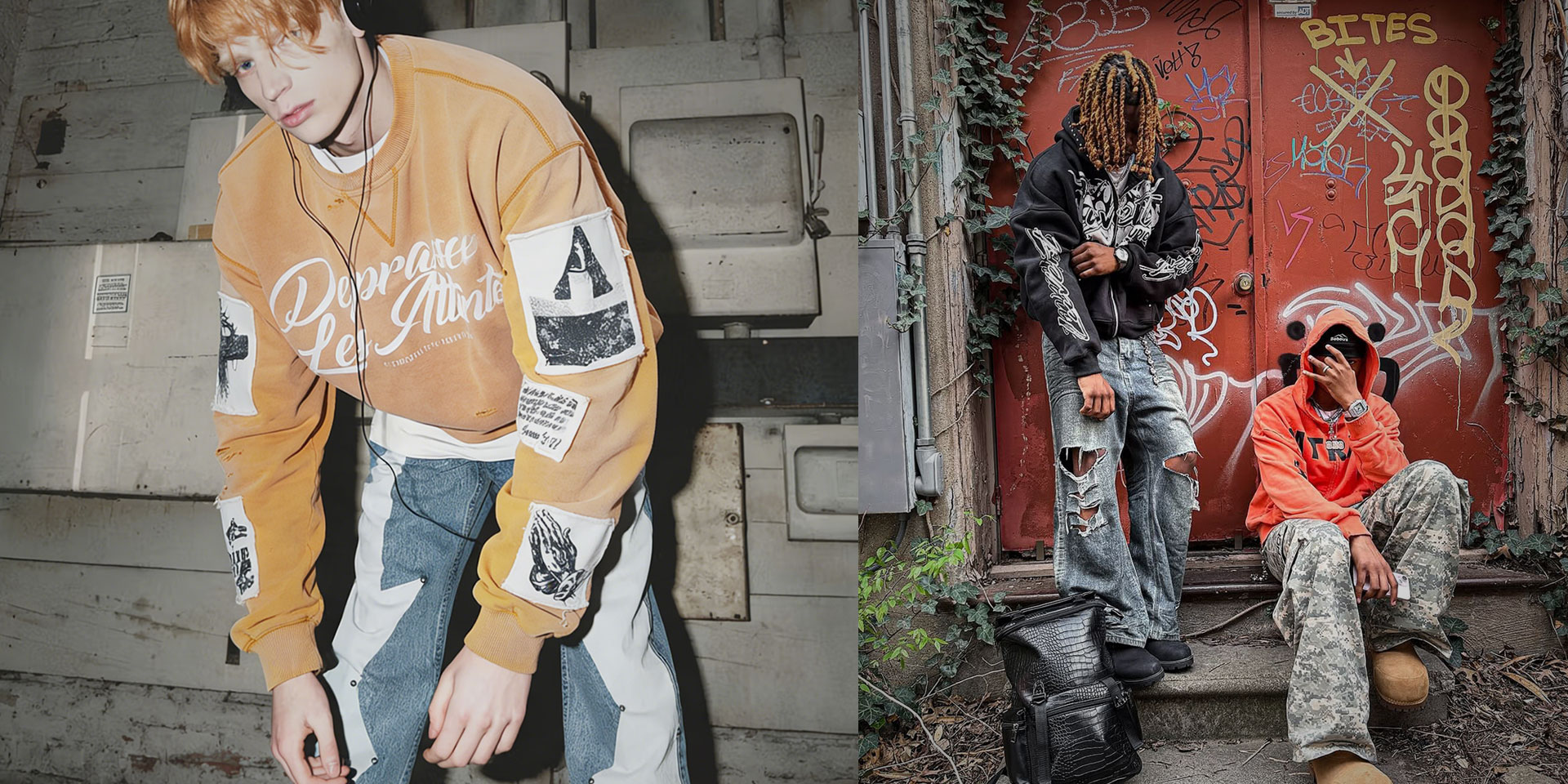
Some streetwear pieces look loud the second you see them. A washed boxy hoodie with the right weight. A cropped football-inspired jersey that sits exactly where it should. A distress-heavy zip hoodie that feels broken-in without looking random. But anybody who has spent time around real product teams knows the truth: the visual is only half the story. The other half lives in tech packs, trim approvals, fabric bookings, wash tests, line plans, shipment timing, and a long chain of decisions that can quietly throw the whole release off rhythm.
That is why ERP is showing up in more streetwear production conversations. Not because fashion labels suddenly want more corporate software in the room, but because spreadsheets, message threads, and disconnected updates start breaking down when collections get more technical, calendars get tighter, and direct sales, partner channels, and replenishment all start pulling on the same inventory picture. For established streetwear brands and independent labels with real traction, ERP is less about bureaucracy and more about finally getting a clean line of sight across how product ideas turn into bulk-ready garments.
Why are more streetwear teams bringing ERP into production conversations now?
Streetwear teams are paying more attention to ERP because the production chain has become harder to manage with scattered tools alone. Once a brand is juggling more SKUs, more trims, more wash variables, more sales channels, and faster release pressure, disconnected workflows create blind spots that hit product, timing, and cash flow at the same time.
A few years ago, some labels could still get away with running most of the operation through spreadsheets, chat apps, and whatever lived in somebody’s head. That gets shaky fast when the assortment gets deeper. Streetwear does not only deal with size breaks and color breaks. It also deals with graphic placements, fabric weights, specialty trims, garment dye, distressing, embroidery layers, and silhouettes that need to land a very specific way on body. Apparel ERP systems are built to handle style-color-size complexity, material tracking, demand planning, and multichannel inventory in one operating picture, which is exactly why they have become more relevant for fashion businesses working with seasonal and trend-sensitive product lines.
This matters even more in streetwear because the category often sells through story, feel, and finish, not just logo recognition. A label may have a strong concept, but if sourcing teams are looking at one version of fabric availability, the factory is working from another, and the internal product team is still chasing approvals in email, small misses start stacking up. A rib change that looked minor can shift the whole shape of a hoodie. A late trim swap can flatten the look of a varsity jacket. A wash test approved on one fabric lot may not land the same way on another. ERP does not remove every risk, but it gives teams one place to catch problems earlier instead of finding them when cartons are already being packed.
There is also a market reason. Fashion supply chains are under constant pressure to react faster while still protecting margins, inventory health, and delivery performance. ERP platforms are increasingly positioned as the place where demand signals, purchasing, stock allocation, and production schedules can actually talk to each other instead of living in separate silos.
Where does streetwear production usually break when teams still run on scattered spreadsheets and chat threads?
Streetwear production usually breaks in the handoff moments: when design becomes sourcing, when a sample becomes pre-production, when approved materials become real purchase orders, and when factory updates do not match what merchandising or operations thinks is happening. Most problems are not dramatic at first; they start as small gaps in visibility.
That gap is where a lot of expensive noise begins. On paper, a factory may look fully capable. The sample may even come back strong. Then bulk starts, and the fabric handfeel drifts because the lot is different. The print placement shifts a little because nobody locked the real garment measurement after the fit change. The distressing looks stronger on some units than others because the wash house is interpreting the target by eye. The zipper tape is swapped because the original trim could not be replenished on time. None of these issues are rare. They are the kind of production reality that hits when teams are managing too many moving pieces through fragmented communication.
The reason this hurts streetwear harder than some other categories is simple: the product language is more sensitive. A heavyweight tee is not just a tee. People notice the collar height, the drop of the shoulder, the density of the cotton, the way the wash softens the surface, and whether the print sits with intention or just looks centered because someone guessed. The same goes for flare denim with exaggerated stacking, appliqué varsity jackets, or mixed-decoration hoodies. When execution gets fuzzy, the product loses attitude first and commercial strength right after.
This is where ERP starts earning its place. Rather than letting approvals, purchase orders, warehouse updates, and production status live in different pockets, a fashion ERP creates a shared operational record. Teams can see material status, order status, inventory allocation, and workflow changes without asking five people to cross-check five files. NetSuite, for example, highlights real-time availability, automated purchasing flows, and demand-led planning as core apparel ERP functions, while Infor emphasizes design-to-delivery visibility, raw-material tracking, and inventory allocation inside a unified system.
How does fashion ERP help with raw materials, WIP inventory, and limited-run streetwear products without slowing teams down?
A good fashion ERP helps streetwear teams move faster by making material status, work-in-progress, and finished inventory easier to see and easier to act on. The point is not to add more process for its own sake. The point is to stop losing time to hidden shortages, duplicate updates, and late-stage surprises.
Raw materials are where a lot of streetwear production gets decided long before the garment is sewn. If the shell fabric, rib, zipper, patch base, drawcord tip, or custom label is delayed, the whole line plan starts wobbling. In apparel ERP systems, teams can track raw materials and finished goods more closely through bills of materials, allocation tools, purchasing records, and stock visibility. That matters when one collection includes heavyweight fleece, mesh, denim, and trims that do not all move on the same timeline.
For limited-run products, the benefit is not only stock accuracy. It is timing. Streetwear releases often move with a hard calendar. Content shoots are booked. Email campaigns are scheduled. Retail allocations are promised. If one material is short, teams need to know early enough to decide whether to hold the style, swap the delivery window, or protect the hero SKU first. Forecasting and allocation tools inside apparel ERP platforms are designed to support that kind of decision-making by showing what is available, what is committed, and what still needs to land.
Work-in-progress visibility matters just as much. A lot of brands do not actually lose control at the sketch stage; they lose control in the middle. Fabric has arrived, but wash testing is behind. Sewing is moving, but packaging approvals are late. Inventory exists, but it is sitting in the wrong place for the channel that needs it. When ERP works well, those middle-stage blind spots get smaller. That is especially useful for US, UK, and EU streetwear brands working with China-based or multi-region production networks, where delays are often caused less by one dramatic failure and more by accumulated misalignment across sourcing, making, inspection, and shipping.
What changes when factory communication and internal brand teams are looking at the same operating picture?
When the factory side and the brand side are working from the same operational picture, decisions get cleaner, issue escalation gets faster, and fewer problems stay hidden until bulk is too far along to correct without major downstream damage. The win is not smoother communication in the abstract. The win is better timing, better prioritization, and less guesswork.
Anyone who has worked through a real production calendar knows how much time gets wasted on status chasing. Is the fabric booked or just discussed? Was the embroidery strike-off approved, or is the team still reviewing the second revision? Did the fit change make it into the final pattern, or is the sewing line still working from the earlier version? When information is scattered, everybody spends more time asking what is happening than deciding what to do next.
ERP helps by centralizing the operational side of those conversations. Automated purchase orders, shared status updates, supplier portals, dashboards, and inventory views create a cleaner feedback loop between sourcing teams, product developers, operations leads, and manufacturing partners. That does not mean every factory suddenly becomes sharp. It means strong factories and sharp internal teams can work from the same facts faster.
This is also where streetwear brands start to separate specialist partners from general apparel factories. A general factory may be able to sew a hoodie. That does not always mean it can manage a wash-heavy fleece program, high-precision graphic placement, or a collection where fit balance matters as much as cost. For teams comparing sourcing options, a resource like this curated look at in China can be useful because the real question is rarely “Who can make clothes?” It is usually “Who can handle this kind of product language and communicate at the level the calendar requires?”
Why does PLM-plus-ERP matter more than ERP alone in technique-heavy streetwear development?
PLM plus ERP matters more than ERP alone when the collection depends on detailed product development, because PLM handles the design-and-development side while ERP manages the operational side. When those systems connect well, design intent, costing, sourcing, production planning, and delivery move with fewer gaps between them.
This distinction matters in streetwear because the category often lives or dies in product development. A washed tee is not finished when somebody signs off on the graphic. A cropped jersey is not ready because the sketch looks right. Teams still need pattern work, fabric confirmation, construction notes, decoration sequencing, test rounds, and fit adjustments before the style is really safe for bulk.
BlueCherry’s explanation is useful here: PLM is centered on product creation and development, while ERP handles the business processes required to produce, sell, and distribute the product. Put another way, PLM is where the creative and technical story gets built. ERP is where that story has to survive contact with purchasing, line planning, warehouse logic, channel allocation, and shipment execution.
When those two sides are disconnected, friction shows up fast. Design teams finalize details before costing is realistic. Sourcing teams chase missing tech packs. Production planning starts before every approved change is flowing into the live record. By contrast, a connected PLM-and-ERP workflow can move from design development to costing, sourcing, production planning, quality control, and delivery with less manual re-entry and fewer late-stage surprises.
For technique-intensive streetwear, that flow matters. Embroidery that adds depth to otherwise flat graphics needs placement clarity early. A wash that gives a new hoodie instant visual age needs testing that is tied back to the exact fabric and trim setup. Fabric weight changes how the silhouette sits, which means fit notes cannot stay trapped in somebody’s email thread. PLM protects the design logic. ERP protects the operational follow-through. The closer those two are linked, the better the odds that the final garment still feels like the original idea, not a watered-down compromise.
What should established streetwear brands look for before choosing an ERP system or an ERP-ready manufacturing partner?
Established streetwear brands should look for ERP decisions that support real production behavior, not just nice software demos. The right setup should make category complexity easier to manage, reduce information lag, and fit the way the brand actually develops, approves, sources, and releases product across channels and regions.
The first thing to check is category fit. Streetwear collections often rely on style-color-size complexity, custom trims, heavy fabrics, post-garment finishing, and more aggressive silhouette control than ordinary basics. If the system cannot track raw materials, manage attributes cleanly, and support demand planning across multiple channels, it will look polished in a demo and still feel clumsy once the season gets real.
The second thing is workflow fit. A strong ERP choice should make life easier for the people doing the real work: procurement teams, product development teams, design teams, and operations leads. That means role-based visibility, easier approvals, cleaner order tracking, and fewer double entries. If the system forces teams back into side spreadsheets for basic decisions, it is not really solving the problem.
The third thing is partner fit. The software matters, but the manufacturing side matters just as much. A streetwear production partner should be able to work inside a more disciplined flow, respond clearly to changes, and flag risks before they become late bulk problems. For brands also reviewing custom development partners, it helps to compare software readiness alongside product capability, especially in heavyweight cotton, wash-intensive fleece, decorated jerseys, or multi-technique outerwear.
The table below is a simple way to frame that evaluation.
One last point: do not buy the story that ERP is only for giant corporate fashion groups. The better question is whether the brand’s product and release rhythm has outgrown scattered tools. If it has, ERP becomes part of protecting product quality, delivery discipline, and margin logic—not because software is glamorous, but because operational fog is expensive.
400 GSM Looks Right. But Is It Actually Enough for a Premium Streetwear Hoodie?
A heavyweight hoodie looks simple on a rack, but most production problems start before sewing even begins. On paper, specifying 400 GSM on a tech pack feels like a safe, industry-standard choice. It sounds heavy enough to signal quality, thick enough to hold a boxy silhouette, and substantial enough to justify a premium price point. But when that first pre-production sample arrives, the reality often hits hard: the hoodie might weigh 400 grams per square meter, but it doesn't feel right. It might drape poorly, feel stiff instead of structured, or lose its shape entirely after the first wash test.
This is the reality that product development teams face every season. The number on the tech pack is just a metric, not a guarantee of execution. The true difficulty in custom streetwear development is not finding a fabric that hits a certain weight. It is ensuring that the chosen weight interacts correctly with the yarn construction, the oversized pattern engineering, the specific wash techniques, and the sample-to-bulk execution. When established streetwear brands scale their production, they quickly learn that GSM is only the starting point.
If your brand is currently evaluating new product directions or refining existing core pieces, relying solely on a GSM number is a massive production risk. You need to look past the spec sheet and understand how fabric weight behaves in a real manufacturing environment.
What does 400 GSM actually mean in streetwear hoodie production?
400 GSM refers to a fabric weight of 400 grams per square meter, which is widely considered the baseline entry point for heavyweight streetwear hoodies. It provides enough density to hold structured silhouettes and oversized fits, but it does not dictate the hand feel, drape, or overall quality of the final garment.
When a design team specifies 400 GSM, they are essentially asking for a fabric that feels substantial. In the context of premium streetwear, this weight is crucial because it directly affects the silhouette. A boxy fit or an oversized pattern requires a certain level of rigidity to maintain its shape off the body. If the fabric is too light—say, 320 GSM or below—it will drape like a basic athletic sweatshirt, clinging to the body rather than creating the architectural volume that modern streetwear consumers expect.
However, the number itself is dangerously misleading if viewed in isolation. GSM is simply a measurement of density. It tells you nothing about the quality of the cotton, the type of yarn used, or how the fabric was knitted. Two different 400 GSM fabrics can feel entirely different. One might feel soft, plush, and luxurious, while the other might feel rigid, abrasive, and cheap.
For procurement teams and sourcing professionals, the risk lies in assuming that any 400 GSM fleece will automatically result in a premium hoodie. This assumption often leads to significant sample-to-bulk mismatches. A factory might source a 400 GSM fabric that looks acceptable in a small swatch but performs terribly when cut and sewn into a complex streetwear pattern. The true measure of a premium hoodie is not just its weight, but how that weight is engineered to interact with the garment's construction and intended use.
Is 400 GSM always the right weight for a premium streetwear hoodie?
No, 400 GSM is not a universal standard for premium quality. While it is excellent for structured, boxy silhouettes, some high-end streetwear labels opt for 450 GSM or even 500 GSM for extreme structural rigidity, while others prefer 350-380 GSM when focusing on complex vintage washes or heavy layering.
The decision of whether 400 GSM is "enough" depends entirely on the specific product intent and the aesthetic goals of the collection. For many independent brands with real traction, 400 GSM is the sweet spot. It offers a noticeable upgrade over standard 300 GSM blanks, providing a premium tactile experience without becoming unwearable in milder climates. It holds embroidery well, supports thick puff prints, and maintains its shape through multiple wear cycles.
But "premium" is not a synonym for "heaviest." There is a growing trend among established streetwear brands to push the boundaries of fabric weight, exploring 450 GSM, 480 GSM, or even 500 GSM French Terry and fleece. These ultra-heavyweight fabrics are chosen not just for warmth, but for their extreme sculptural qualities. They create hoodies that stand up on their own, offering a rigid, armor-like drape that has become highly sought after in luxury streetwear circles.
Conversely, if a brand is developing a heavily distressed or vintage-washed hoodie, starting with a 400 GSM fabric might actually be counterproductive. Intensive wash techniques, such as heavy enzyme washing or aggressive stone washing, break down the cotton fibers. A fabric that starts at 400 GSM might lose 10-15% of its weight during the finishing process. Furthermore, extremely heavy fabrics can become stiff and uncomfortable when subjected to certain garment dyes. In these cases, a premium result might actually be achieved by starting with a slightly lighter, more pliable fabric that responds better to the intended finishing techniques.
The procurement decision should never be "let's find the heaviest fabric possible." It must be "let's find the exact fabric weight that supports the pattern, survives the wash process, and delivers the intended hand feel."
How does fabric construction change what 400 GSM actually feels like?
The hand feel and drape of a 400 GSM hoodie are determined by its construction—specifically whether it is French Terry or brushed fleece, the yarn count, and the knitting density. A tightly knitted 400 GSM French Terry will feel entirely different from a loosely knitted 400 GSM brushed fleece.
This is where the technical reality of streetwear manufacturing separates experienced product teams from novices. You can have two hoodies, both objectively weighing 400 grams per square meter, and they will behave like completely different garments.
The first major variable is the interior construction. French Terry features unbrushed loops on the inside, offering a drier, more structured feel. It tends to drape more cleanly and is highly durable, making it a favorite for premium, year-round streetwear. Brushed fleece, on the other hand, has those interior loops mechanically brushed to create a soft, fuzzy texture. While brushed fleece feels warmer and softer initially, a 400 GSM brushed fleece will often feel thicker and bulkier than a 400 GSM French Terry, even though they weigh exactly the same.
The second variable is yarn count and knitting density. A fabric knitted tightly with fine, high-quality combed cotton yarns will feel dense, smooth, and luxurious. It will hold its shape impeccably and resist pilling. A fabric knitted loosely with thicker, lower-quality carded cotton yarns can also hit the 400 GSM mark, but it will feel spongy, lack structural integrity, and lose its shape quickly after washing.
For brands evaluating a new production partner, this is a critical checkpoint. When reviewing a tech pack, a specialized manufacturer will not just ask for the GSM; they will ask about the desired loop structure, the yarn quality, and the specific hand feel required. They understand that hitting a weight metric is easy, but engineering the right tactile experience requires deep technical knowledge of textile construction.
Where does GSM consistency break down between sampling and bulk production?
GSM consistency often fails during bulk production due to unstable fabric sourcing, poor knitting tension control, or inconsistent finishing processes. A 400 GSM approved sample can easily drop to 370 GSM or spike to 430 GSM across different bulk rolls if the manufacturer lacks strict quality control.
Sample-to-bulk alignment is arguably the most critical and most difficult aspect of custom streetwear development. A brand might approve a perfect 400 GSM pre-production sample, only to receive a bulk delivery where the hoodies feel noticeably thinner or inconsistent from piece to piece. This breakdown usually occurs in the fabric sourcing and knitting stages.
When a sample is created, the factory might use a small yardage of premium fabric. But when moving to bulk, especially if the factory is not a specialized streetwear manufacturer, they might struggle to source the exact same yarn or maintain the exact same knitting tension across thousands of meters of fabric. If the knitting machines are not calibrated correctly, or if the factory switches to a slightly cheaper yarn to improve margins, the density of the fabric will fluctuate.
This batch-level variation is a nightmare for established streetwear brands. Consumers who buy a premium hoodie expect a specific tactile experience. If they buy a black hoodie that feels heavy and structured, and later buy the same hoodie in grey that feels thin and floppy, brand trust is immediately damaged.
Furthermore, GSM is measured based on a specific moisture content. If a factory cuts corners during the drying or finishing stages, the fabric might weigh 400 GSM when it leaves the mill simply because it retains more moisture or chemical residue. Once the garment is washed by the consumer, the true, lighter weight is revealed. This is why experienced product development teams demand bulk fabric swatches for testing before bulk cutting begins, ensuring that the approved GSM is maintained across the entire production run.
What should brands test before approving a heavyweight hoodie sample?
Before approving a 400 GSM hoodie sample, procurement teams must test for shrinkage, torque (twisting), colorfastness, and print/embroidery compatibility. Heavyweight fabrics carry higher tension, making them more susceptible to severe shrinkage and seam distortion if not properly pre-shrunk and engineered.
Approving a heavyweight hoodie based solely on how it looks out of the box is a common and costly mistake. Heavyweight cotton fabrics, particularly those at 400 GSM and above, carry a significant amount of inherent tension from the knitting process. If this tension is not properly managed during fabric finishing and garment construction, the hoodie will self-destruct after the first wash.
The most critical test is shrinkage. A 400 GSM fabric has more mass and more tightly packed yarns than a lighter fabric. When washed and dried, these yarns want to contract. If the fabric was not adequately pre-shrunk (compacted) at the mill, a carefully engineered oversized fit can shrink by 5-10% in length or width, completely ruining the silhouette. Procurement teams must conduct rigorous wash testing on the pre-production sample to measure dimensional stability.
Torque, or twisting, is another major risk. Have you ever washed a hoodie and noticed the side seams twisting toward the front? This happens when the fabric's diagonal tension is not balanced. In heavyweight fabrics, this torque can be severe enough to make the garment unwearable.
Additionally, teams must test how the 400 GSM fabric interacts with decorations. A thick, dense fleece requires different print curing times and embroidery backing than a lighter fabric. If a brand plans to use heavy puff print or a large, dense embroidery patch, they must ensure the fabric can support the weight and the heat of the application without puckering or scorching. A thorough tech pack review with a competent manufacturing partner will identify these risks before sampling even begins.
How do wash and finishing techniques interact with fabric weight in bulk?
Aggressive wash techniques like acid wash, stone wash, or heavy enzyme wash physically degrade the cotton fibers, often reducing a 400 GSM fabric's final weight by 10-15%. Brands must calculate this weight loss during product development to ensure the final garment still feels premium.
The intersection of heavyweight fabrics and complex wash techniques is where streetwear manufacturing becomes highly technical. Many brands want the structural benefits of a 400 GSM hoodie combined with the lived-in, vintage aesthetic of an acid wash or stone wash. However, these processes are inherently destructive.
An acid wash or stone wash involves tumbling the garments with abrasive materials (like pumice stones) and chemical agents. This process strips away the outer layer of the cotton fibers to create the desired faded, distressed look. In doing so, it physically removes mass from the garment. A hoodie cut from 400 GSM fabric might emerge from an intensive wash process weighing closer to 350 GSM.
If a brand's goal is a final product that feels like a true 400 GSM heavyweight, they must engineer the process backward. They may need to start with a 450 GSM or 480 GSM raw fabric so that, after the wash degradation, the final garment lands at the target weight.
Furthermore, these wash techniques can drastically alter the hand feel. A stiff, rigid 400 GSM French Terry might become incredibly soft and drapey after a heavy enzyme wash. If the brand's intent was a stiff, architectural silhouette, the wash process will have destroyed that intent. This is why sample-to-bulk execution in washed streetwear is so challenging. The manufacturer must perfectly calibrate the wash time, chemical concentration, and temperature to achieve the visual effect without compromising the structural integrity of the heavyweight fabric.
What separates a streetwear-capable manufacturer from a general hoodie factory when it comes to heavyweight production?
A specialized streetwear manufacturer understands that 400 GSM is a holistic engineering challenge involving custom pattern development, specific sewing tolerances, and bulk-ready control, whereas a general factory treats it merely as a fabric purchasing requirement.
When established streetwear brands with proven sales channels look to scale their production, they quickly realize that not all factories are equipped to handle premium heavyweight garments. A general apparel factory might be excellent at producing thousands of basic 280 GSM promotional hoodies, but they will struggle immensely with a 400 GSM custom streetwear piece.
The difference lies in the production systems built for bulk-ready control. Heavyweight fabrics are physically harder to cut and sew. A general factory might try to use the same sewing needles, thread tension, and cutting machines they use for lightweight t-shirts. This leads to skipped stitches, broken needles, and uneven seams when trying to join multiple layers of 400 GSM fleece at the armholes or hood attachment. A specialized will adjust their machinery, use heavier gauge needles, and apply specific sewing tolerances designed for thick, dense materials.
Moreover, a capable streetwear production partner understands pattern engineering for heavyweight fabrics. You cannot simply take a standard hoodie pattern and cut it out of 400 GSM fleece. The thickness of the fabric takes up space inside the garment. If the pattern is not adjusted to account for the fabric's volume, the armholes will feel tight, the hood will not lay flat, and the overall fit will be restrictive.
For brands looking for reliable execution, finding a partner that understands these nuances is critical. In the premium segment, companies like are often referenced when brands compare more specialized , particularly because of their focus on heavyweight fabrics, complex finishing, and repeatable sample-to-bulk execution. They understand that a 400 GSM hoodie is not just a heavy shirt; it is a complex piece of soft architecture that requires precise technical alignment from fabric sourcing to final inspection.
Ultimately, 400 GSM is absolutely heavy enough for a premium streetwear hoodie—but only if the construction, the pattern, the wash, and the factory execution are equally premium. The number on the tech pack is just the beginning of the conversation.
 streetwear apparel factories custom streetwear manufacturer Groovecolor streetwear manufacturers